
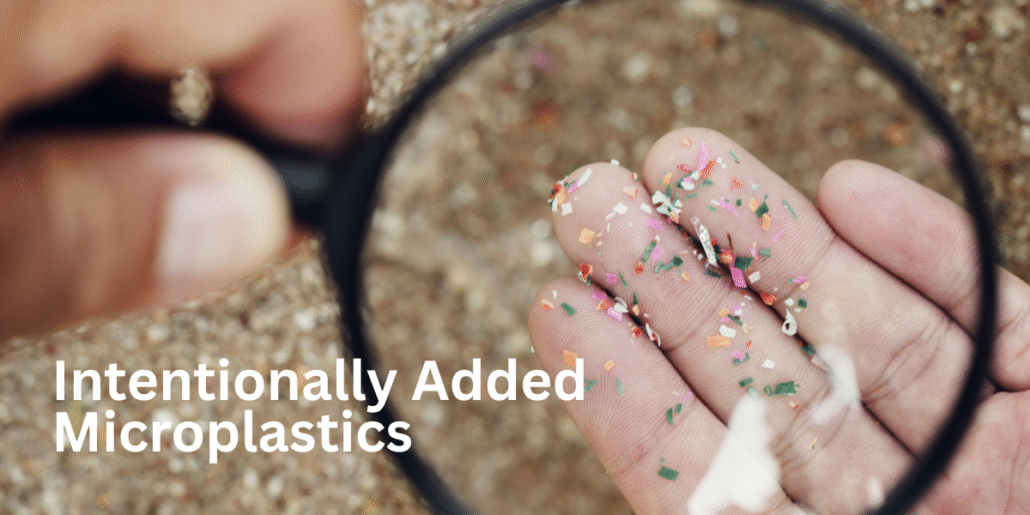
Reducing Microplastic Emissions: UK Considers Practical Alternatives
Please be informed that following the EU announcement last year of a ban on the sale of polymeric infill materials, the UK is also considering measures to reduce the release of intentionally added microplastics into the environment.
As part of the UK REACH 2022/23 Work Programme, Defra (Dept of Environment, Food and Rural Affairs) commissioned a study titled “Option Appraisal for Intentionally Added Microplastics” which evaluates the risks and policy options for microplastics intentionally added to products, and models their environmental and socioeconomic impacts of various risk management options over the period from 2024 to 2043. The study includes a detailed assessment of containment measures for synthetic turf sports pitches.
In contrast to the European Chemicals Agency (ECHA), Defra concluded that containment measures represent a cost-effective and practical solution to reducing emissions of intentionally added microplastics, offering significant environmental benefits at a relatively low cost.
Synthetic turf offers substantial socio-economic benefits and plays a vital role in enabling municipalities worldwide to provide sufficient playing time for communities and to promote public health through physical activity. ESTC strongly believes that unnecessary environmental pollution from microplastics must be prevented.
ESTC has incorporated sustainability at the heart of its strategy and is committed to proactively advance environmental responsibility within the synthetic turf industry. ESTC supports well-designed legislative measures to minimize the release of polymeric infills into the environment and will continue to monitor developments under UK REACH and other national frameworks. We remain dedicated to advocating for evidence-based, proportionate policies that protect the environment while ensuring the long-term sustainability of our sector.
Read more here.